

How To Choose The Perfect Kitchen Floor Tiles?
Floor Tile Guide
Choosing the right Kitchen floor tiles for your home is an important decision. They impact how your space appears and how easily it can be maintained.
With numerous materials, sizes, and styles to choose from, it is essential to consider the advantages and disadvantages of each option.
We have created a mini guide on:-
1. Ceramic Tiles
2. Porcelain Tiles
3. Stone Tiles
4. Vinyl Tiles
5. Wood Floor Tiles

1. Ceramic Tiles
Ceramic Kitchen Floor Tiles:
Pros: Affordable, durable, and available in a vast range of colours, patterns, and finishes. Ceramic tiles resist stains, water, and scratches. This makes them great for busy areas like kitchens and bathrooms.
Cons: It can chip or crack if hit hard. Grout lines may need regular cleaning to avoid stains.

2. Porcelain Tiles
Porcelain Floor Tiles:
Pros: Porcelain tiles are like ceramic tiles but denser and better at resisting water. They are very durable and can be used indoors and outdoors. They are also available in a variety of styles and can mimic the look of natural stone or wood.
Cons: Porcelain tiles can be more expensive than ceramic tiles and may require professional installation due to their density.

3. Stone Tiles
Natural Stone Tiles:
(such as marble, granite, travertine, or slate)
Pros: Renowned for their timeless elegance and unique variations, natural stone tiles add a luxurious touch to any space. They are extremely durable and can withstand heavy foot traffic when properly sealed.
Cons: Natural stone tiles can be expensive and require regular maintenance to prevent staining and etching. They are also more susceptible to scratching and may require professional installation.

4. Vinyl Floor Tiles
Vinyl Floor Tiles:
Pros: Vinyl tiles are affordable, versatile, and easy to install. They come in many colours, patterns, and textures. They are comfortable underfoot and resistant to moisture, making them suitable for kitchens, bathrooms, and basements.
Cons: Vinyl tiles may not be as durable as ceramic or porcelain tiles. They can scratch or dent over time.

5. Wood Floor Tiles
Wood-Look Tiles (Porcelain or Ceramic):
Pros: Combining the warmth and beauty of hardwood with the durability of tile, wood-look tiles offer the best of both worlds. They are resistant to moisture, scratches, and stains, making them ideal for areas prone to water exposure.
Cons: Wood-look tiles might not feel as real as hardwood. The grout lines between tiles may need regular cleaning to stay looking good.
When choosing floor tiles, consider durability, maintenance, aesthetics, and budget. Evaluating the pros and cons of various materials and sizes will enhance your space’s beauty and functionality for years.

Kitchen Floor Tiles
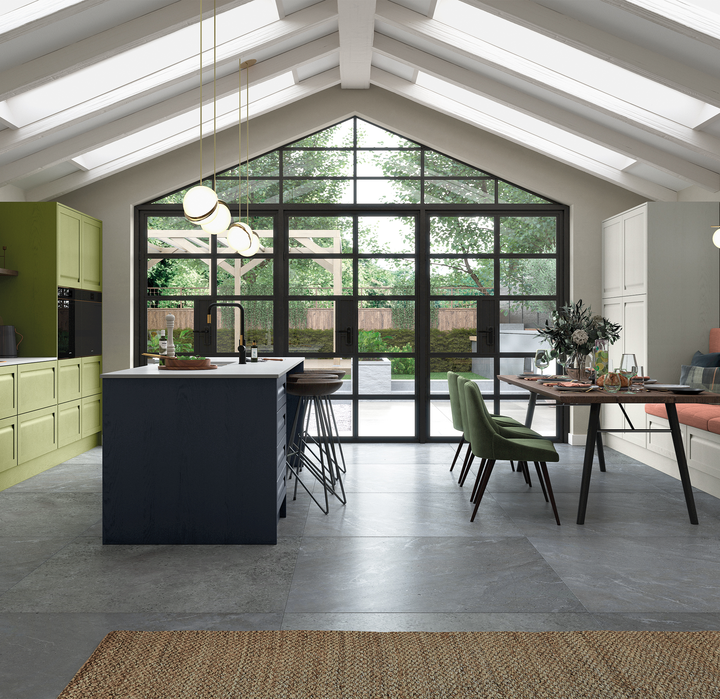
Introducing our trade partner, Roccia Tiles, renowned for its stunning selection of high-quality kitchen floor tiles. Their collection includes classic ceramic and contemporary porcelain, catering to various styles.
Trusted by homeowners and designers, Roccia Tiles offers exceptional craftsmanship. Visit their website to explore their extensive catalogue for your kitchen renovation.
FAQ
ask us
anything
What type of floor tiles are best for kitchens and bathrooms?
Porcelain and ceramic floor tiles are ideal for kitchens and bathrooms due to their durability, water resistance, and low maintenance. Choose textured or matte finishes for better slip resistance in wet areas.
How much does it cost to tile a kitchen floor?
The cost to tile a kitchen floor in the UK typically ranges from £400 to £1,200, depending on the size of the space, tile material, and labour costs. Premium tiles or complex layouts may increase the price.
How do I lay kitchen floor tiles properly?
To lay kitchen floor tiles, you’ll need to prepare a level surface, plan your tile layout, apply tile adhesive, and use spacers for even gaps. After setting, grout the tiles and clean thoroughly. For a professional finish, hiring an experienced tiler is recommended.
Can you paint kitchen floor tiles instead of replacing them?
Yes, you can paint kitchen floor tiles using tile-specific primer and durable floor paint. While it’s a more affordable refresh, painted tiles won’t last as long as new ones and may wear faster in high-traffic areas.